We publish what is in the water and how it is made.
The analysis below is KALDÁ's water. Nothing is claimed here until an independent result or certificate is in hand.
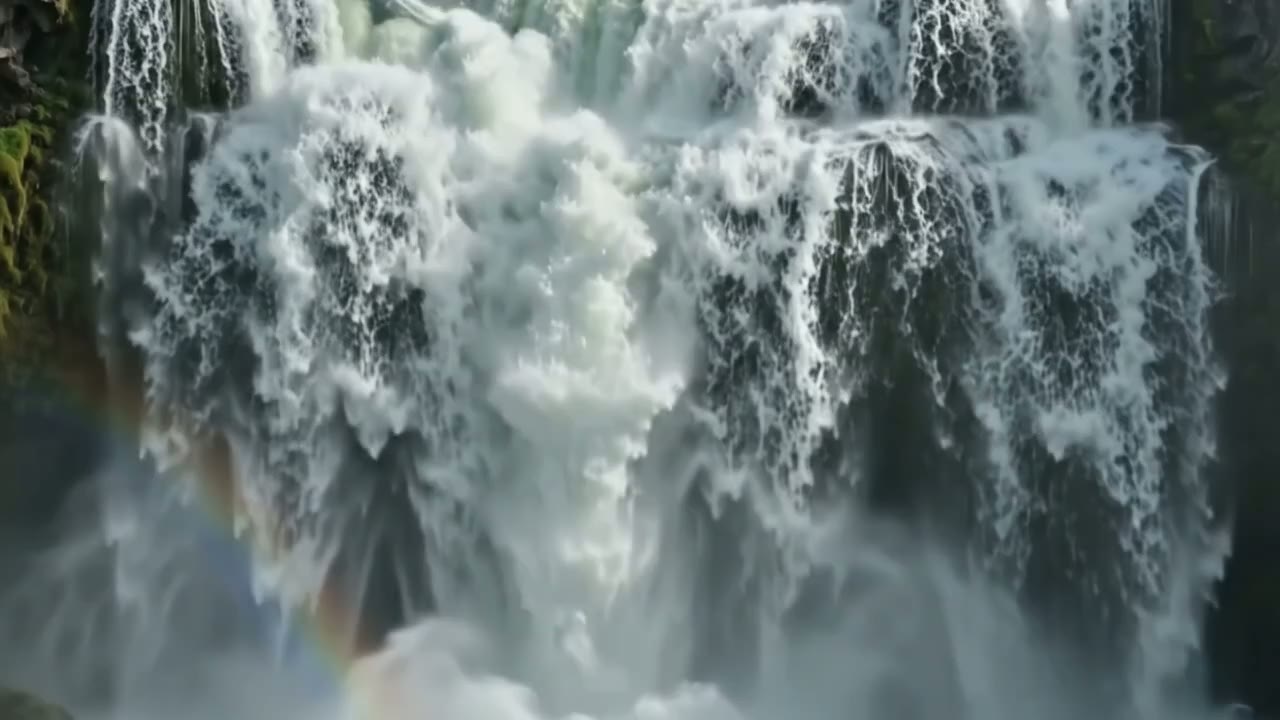
Where the water filters through ancient volcanic rock and runs cold all year.
What's in every KALDÁ.
One water, the same in every format - clean, soft, and naturally alkaline, drawn cold from the cold-river spring and slow-filtered through ancient volcanic rock.
- pH 8.9
- Naturally alkaline
- Low sodium
- Lightly mineralised
- 355 mL
- Recyclable where collection exists
- Product of Iceland
The analysis, plainly stated.
KALDÁ is a soft, lightly mineralised drinking water with a naturally alkaline pH. These are typical values for the water in every format.
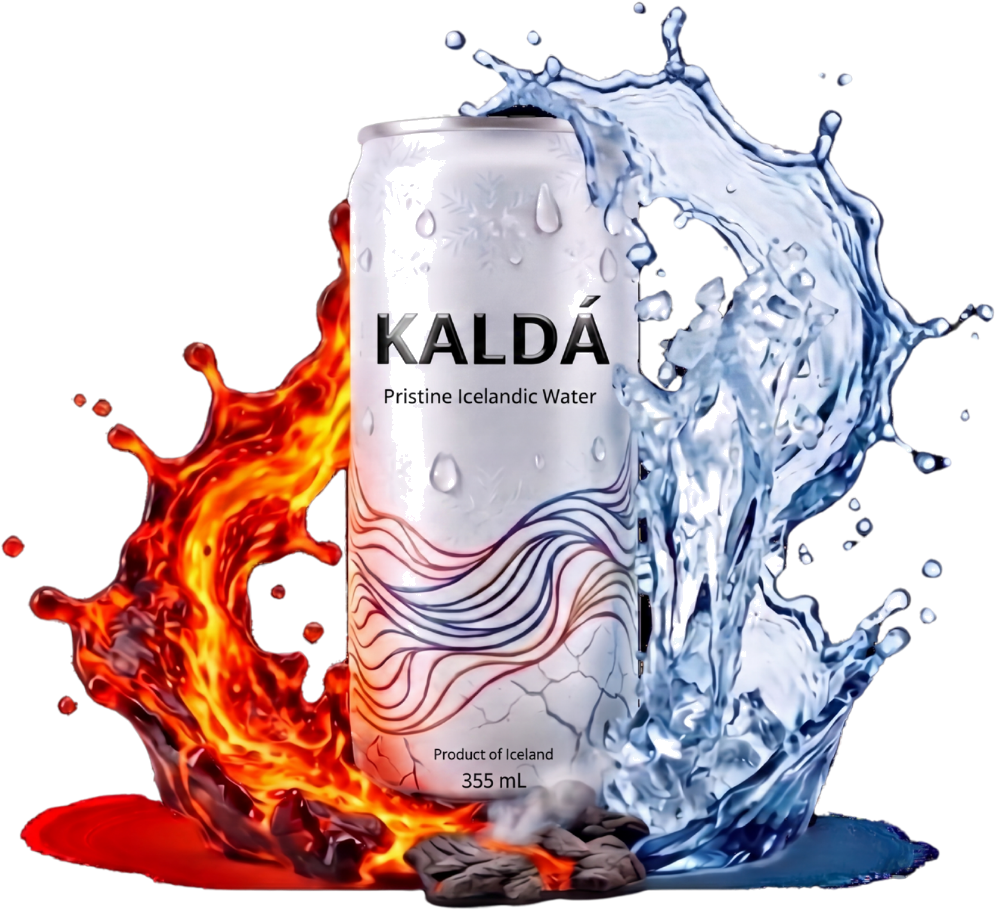
- pH 8.9
- Naturally alkaline
- TDS ≈ 50 mg/L
- Lightly mineralised
- 10 mg/L
- Low in sodium
- Very soft
- Soft water
Typical mineral analysis, mg/L unless noted*
- pH
- 8.9
- Total dissolved solids (TDS)
- approx. 50low
- Calcium (Ca)
- 4.5
- Magnesium (Mg)
- 1.7
- Sodium (Na)
- 10
- Potassium (K)
- 0.6
- Bicarbonate (HCO₃)
- 61
- Silica (SiO₂)
- 6.2
- Sulphate (SO₄)
- 2.9
- Chloride (Cl)
- 8.5
- Fluoride (F)
- less than 0.20
- Nitrate (NO₃)
- less than 0.50
*Sourced from ÍSOR (Iceland GeoSurvey) report 23067 (2023), Kaldárbotnar source water, Hafnarfjörður, Iceland.
A soft, lightly mineralised, naturally alkaline water.
Each format carries its own footprint.
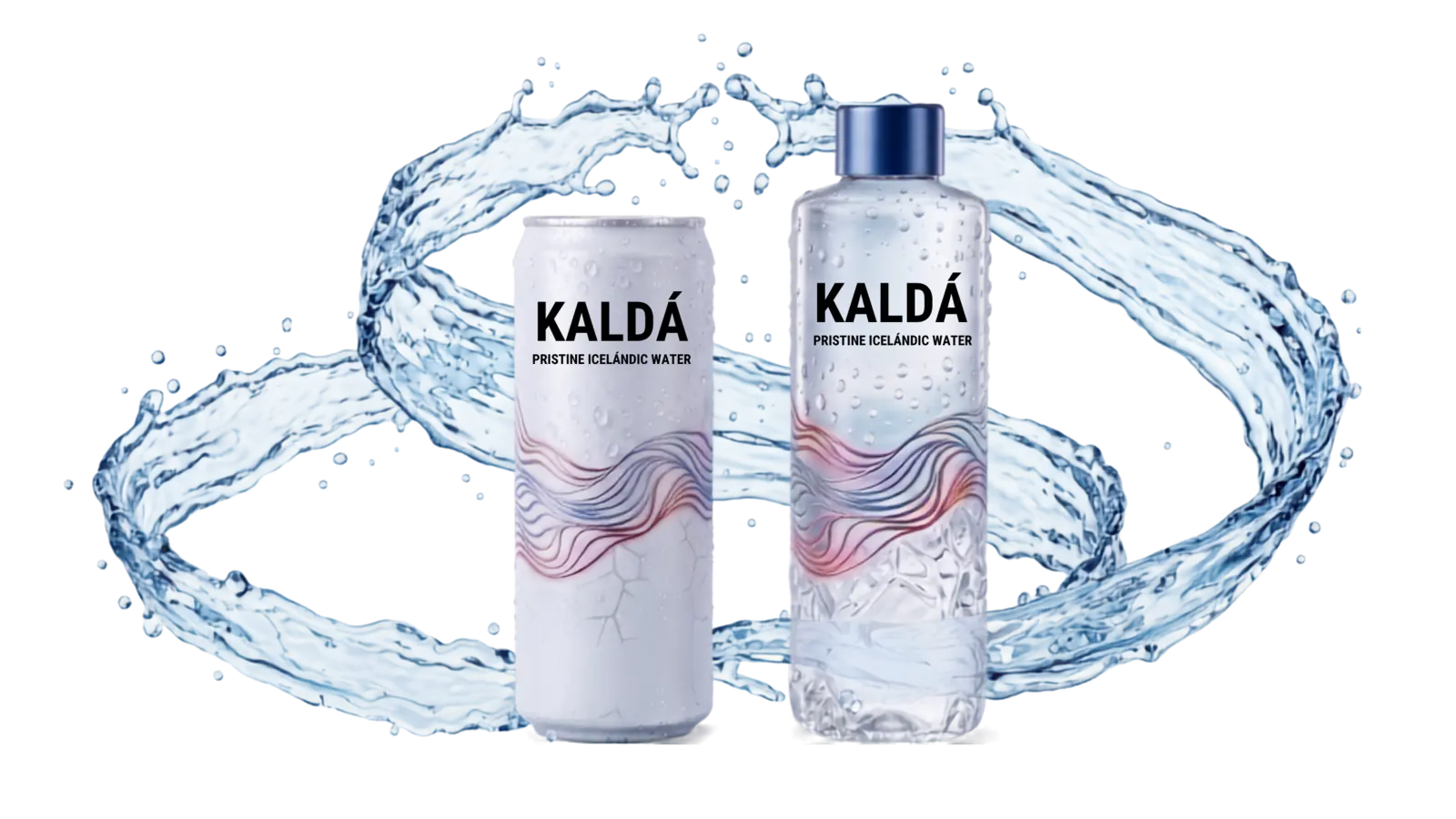
The same water goes into cans, glass, PET, and bag-in-box. Each material behaves differently in production, freight, and end of life, so we state what each one does rather than name one as the answer.
- Aluminum can
- Infinitely recyclable, and a can can come back as a can again and again where collection is strong. The trade-off: making new aluminum is energy-intensive, so the real footprint depends on recycled content and how well cans are collected.
- Glass
- Inert and endlessly recyclable, with the best in-glass experience and no interaction between pack and water. The trade-off: glass is heavy to ship and energy-intensive to produce, so it is best for the table, not for distance.
- PET (rPET)
- Light to ship and made with recycled PET, which keeps transport weight down and reuses material. The trade-off: recycling rates are still low in many markets, so much PET is landfilled unless it is collected and returned, so it is best where deposit systems work.
- Bag-in-box
- Uses very little packaging per litre and is very light to ship. The trade-off: the bag, tap, and box are different materials, so it is harder to recycle as one unit, which makes it best for offices, events, and refill.
We state each format’s benefit specifically, we substantiate our claims, and we publish our own certified recycled-content figures once verified. Please recycle.